
Wood Picnic Tables
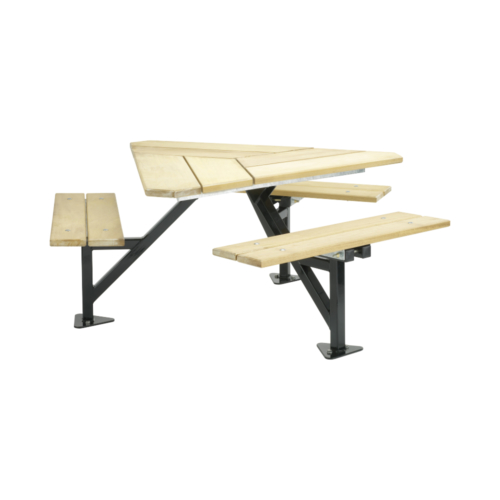
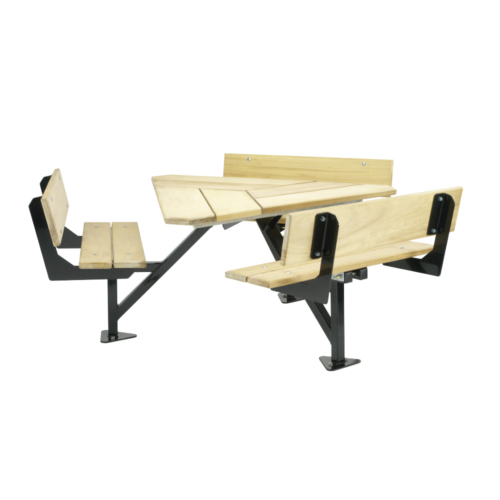
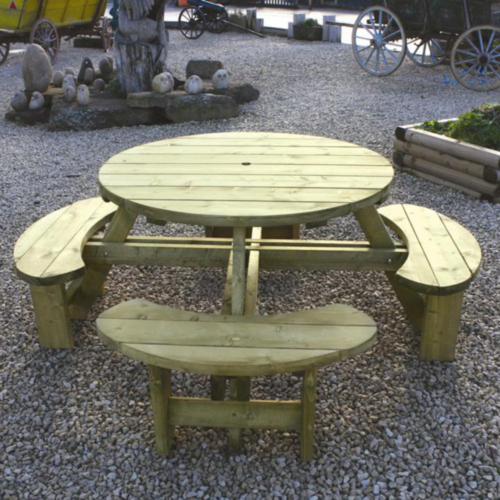
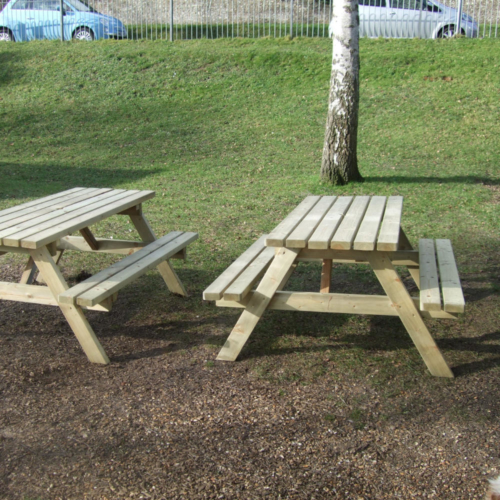
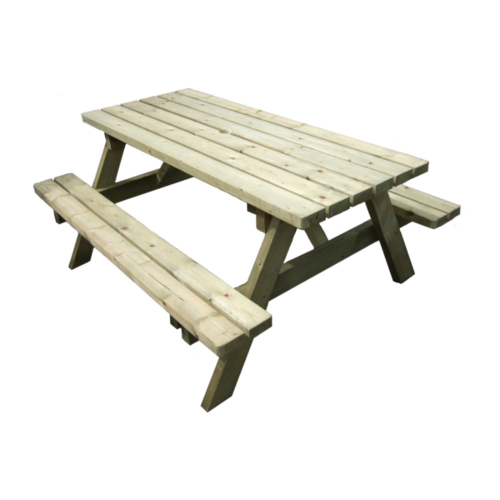
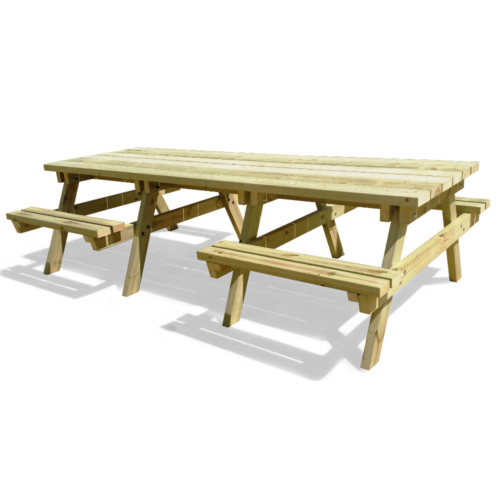
At Earth Anchors, we offer an extensive range of wooden picnic benches, expertly crafted from both softwood and hardwood. Built for strength and adaptability, our benches are perfectly suited for outdoor and public spaces, whether it’s a park, school, pub, café, or your own garden. With over 50 years of experience in outdoor furniture manufacturing, we know what it takes to create a bench that lasts.
Proudly based in Surrey, we manufacture right here in the UK and maintain a large stock to ensure quick turnaround times. We also offer competitive discounts on bulk orders. At the heart of everything we do are our core values: delivering quality craftsmanship, expert guidance, and responsive service you can rely on. Have a look at our range below and contact us if you have any questions.
Frequently Asked Questions


The benefits of wooden picnic benches
Wooden picnic tables create a warm and inviting space to relax, unwind, and enjoy meaningful moments with your children, family, and friends. If you often host barbecues or outdoor gatherings, a picnic table can naturally become the heart of your garden or patio – a central hub where everyone comes together to share, food, laughter, and connection.
For café, pub, and restaurant owners, wooden picnic tables are a smart investment that elevates the overall customer experience, especially during the warmer months. Comfortable, well-designed seating can directly impact your bottom line: when customers feel at ease, they’re more likely to extend their visit, explore the menu, and order additional drinks or food.
On the other hand, uncomfortable seating often leads to shorter stays and fewer purchases. Inclusive options, such as our wheelchair-accessible picnic tables, further improve the experience by making everyone feel welcome. In fact, research shows that comfort and accessibility are key factors in turning a quick drink into a longer, more profitable session. Investing in quality is always the smartest choice, especially for businesses, because over time, it quickly paying for itself through durability, reduced replacement costs and customer satisfaction.
Our wooden picnic benches are also an inviting addition to public spaces like parks, community gardens, and outdoor events. At food fairs and festivals, positioning picnic tables near food vendors helps define dining zones where guests can sit back, enjoy their meals, and soak in the atmosphere of the event, boosting profits. Our wooden picnic benches are crafted to be lightweight and easy to move, making them especially practical for event organisers who require flexible and adaptable seating arrangements.
How long do outdoor wooden tables last for?
Softwood picnic tables usually last about 10 years, while hardwood ones, like those made from Iroko, can last up to 25 years. Over time, both types will naturally change colour and turn grey, often within a year or two. Iroko wood starts to develop a silvery-grey look after just one winter which does give it a unique charm.
Painting or staining your wooden picnic table won’t dramatically increase its lifespan, but regular maintenance is still important to keep it looking its best. If graffiti becomes an issue, we recommend using a wood stain rather than paint. Stain is quicker to apply, doesn’t drip, and won’t flake over time. While the colour may not be as bold as paint, it offers a practical and low-maintenance solution for covering marks and keeping your tables looking clean.
If you’re considering want different colours for your outdoor tables, why not opt for recycled plastic picnic table range instead? These tables come in a variety of vibrant colours and require no maintenance, giving you the look you want without the hassle of upkeep.
Do you provide wheelchair accessibility timber tables?
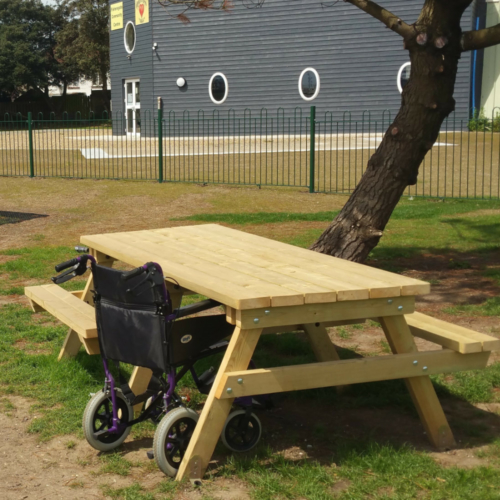
We provide wheelchair accessible timber tables in a range of designs featured on our site. They are perfect for any location to create more inclusive spaces.
They’re not only ideal for wheelchair users but also for prams, allowing families to position them right up to the table with ease, and with custom sizes and finishes available, these timber tables are extremely versatile and great for cafés, schools, offices, parks, and community spaces where accessibility is essential for reaching a wider audience.
Care and maintenance tips
Routine cleaning is particularly important for wooden picnic tables to safeguard the natural material, maintaining its appearance and prolonging its lifespan. Dirt, moisture, and spilled food can shorten its lifespan and make it unpleasant to sit at.
Warm soapy water is a simple yet effective way to keep them clean and remove bird droppings and food spills. For added protection, placing the tables on a dry, elevated surface like a concrete or recycled plastic base can prevent moisture from seeping into the legs, reducing the risk of rot and decay over time.
Is it worth getting a Wood Picnic Bench or A Recycled Plastic Bench?
Cost difference
We believe in being honest with our customers, which is why we think it’s important to compare the different bench options available. After understanding the strengths of each type, you can then make an informed decision that best suits your needs.
When comparing recycled plastic tables against natural wood, plastic benches are more expensive upfront. This is due to the higher material costs and complex manufacturing processes. However, plastic wood benches long-term value is far superior to natural wood options (softwood and hardwood), despite the higher initial fee.
If you’re working with a tight budget, natural soft woods are the more affordable option upfront. However, as we’ve discussed, it does require constant care, which can become costly over time, especially for large-scale projects or bulk purchases, where you will need regular cleaners to upkeep and preserve the wood’s condition.
Weight Comparison
Recycled plastic wood is generally heavier than comparable wooden benches. This is due to its composition of densely compressed recycled plastic that result in a higher overall density. As a result, benches made from recycled plastic typically outweigh natural wood alternatives of the same dimensions.
Softwoods like pine are relatively lightweight, while hardwoods such as oak are denser and heavier, But even the heaviest hardwoods are often still lighter than their recycled plastic lumber variants.
This difference in weight can be an important consideration, especially if you frequently move your benches. Heavier benches require more effort and additional people to relocate, which could impact convenience in certain settings like event spaces, schools, or community areas where flexibility is key.
Maintenance Comparison
Recycled plastic is a low-maintenance, high-performance material designed to withstand the elements. It’s made from plastic waste it can last 50 years, or even longer. A quick wash with soap and water a few times a year is usually enough to keep it clean, thanks to it’s natural resistance to moisture, UV, rot, warping, and splintering.
In contrast, natural wood demands more hands-on care and lasts anywhere from 10-25 years (depending on material).
Overall, recycled plastic wood stands out as the clear winner in terms of maintenance and cost-effectiveness in the long run. It’s low-maintenance nature means you avoid the hassle of frequent cleaning, treatments, repair costs, including labour cost.